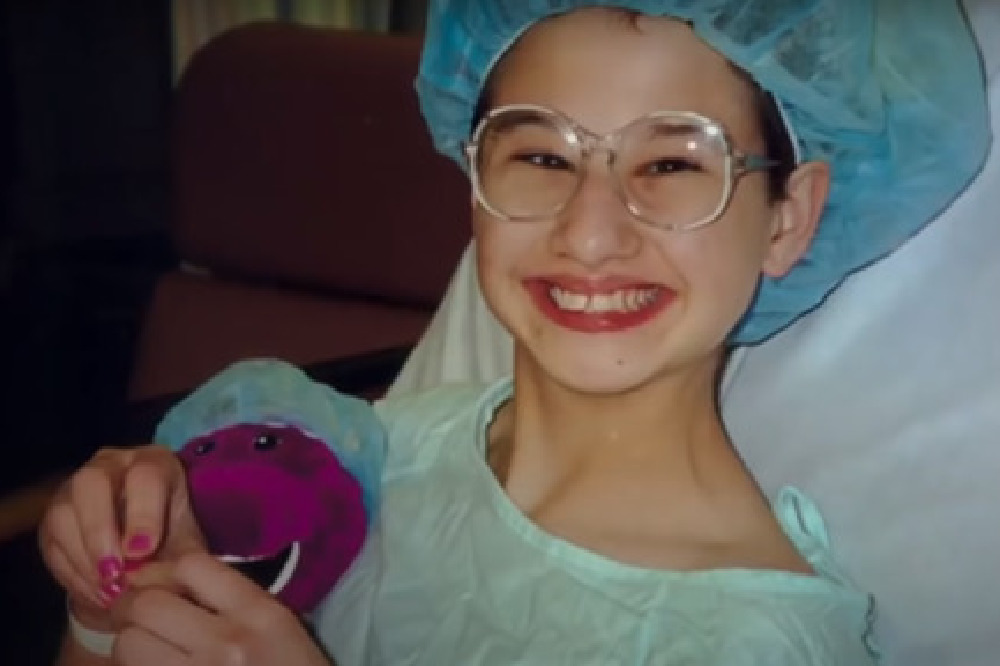
Gypsy Rose Blanchard, known as "gypsy rose as a kid," was a victim of child abuse and exploitation by her mother, Dee Dee Blanchard. Dee Dee Munchausen syndrome by proxy, a mental health problem in which a caregiver makes up or causes an illness or injury in a person under his or her care, such as a child, an elderly adult, or a person who has a disability. Gypsy Rose as a kid endured years of unnecessary medical procedures, surgeries, and medications due to her mother's lies and manipulation.
The case of Gypsy Rose as a kid highlights the devastating impact of child abuse and the importance of recognizing and reporting suspected cases. It also raises awareness of Munchausen syndrome by proxy, a rare but serious form of child abuse that can have life-threatening consequences.
The story of Gypsy Rose as a kid has been the subject of numerous articles, books, and documentaries. It has also been dramatized in the Hulu series "The Act."
Gypsy Rose as a Kid
The case of Gypsy Rose as a kid highlights several important aspects related to child abuse, exploitation, and mental health.
- Victimization: Gypsy Rose was a victim of severe child abuse and exploitation by her mother.
- Munchausen Syndrome by Proxy: Dee Dee Blanchard, Gypsy Rose's mother, suffered from Munchausen syndrome by proxy, a mental health problem in which a caregiver makes up or causes an illness or injury in a person under his or her care.
- Medical Abuse: Gypsy Rose endured years of unnecessary medical procedures, surgeries, and medications due to her mother's lies and manipulation.
- Neglect: Gypsy Rose was also neglected by her mother, who failed to provide her with basic necessities such as food, clothing, and education.
- Isolation: Gypsy Rose was isolated from the outside world by her mother, who controlled her every move.
- Betrayal: Gypsy Rose was betrayed by her mother, who she trusted and relied on for care and protection.
- Resilience: Despite the horrific abuse she endured, Gypsy Rose showed remarkable resilience and strength.
- Justice: Gypsy Rose's story has helped to raise awareness of child abuse and Munchausen syndrome by proxy, and has led to increased efforts to protect children from these forms of abuse.
The case of Gypsy Rose as a kid is a complex and tragic one, but it also highlights the importance of recognizing and reporting suspected cases of child abuse. It also raises awareness of Munchausen syndrome by proxy, a rare but serious form of child abuse that can have life-threatening consequences.
Victimization
Gypsy Rose Blanchard, known as "gypsy rose as a kid," was a victim of severe child abuse and exploitation by her mother, Dee Dee Blanchard. Dee Dee suffered from Munchausen syndrome by proxy, a mental health problem in which a caregiver makes up or causes an illness or injury in a person under his or her care. Gypsy Rose endured years of unnecessary medical procedures, surgeries, and medications due to her mother's lies and manipulation.
- Physical Abuse: Gypsy Rose was subjected to physical abuse by her mother, including being beaten, tied up, and forced to take medication that made her sick.
- Emotional Abuse: Gypsy Rose was also subjected to emotional abuse by her mother, who isolated her from the outside world and made her feel worthless and unloved.
- Medical Abuse: Gypsy Rose endured years of unnecessary medical procedures, surgeries, and medications due to her mother's lies and manipulation. This medical abuse caused Gypsy Rose to suffer from a variety of health problems, including seizures, vision problems, and developmental delays.
- Exploitation: Gypsy Rose's mother exploited her for financial gain. She collected donations from people who believed that Gypsy Rose was a sick child, and she used this money to fund her own lavish lifestyle.
The victimization of Gypsy Rose as a kid is a tragic example of how child abuse can have devastating consequences. Gypsy Rose's story has helped to raise awareness of child abuse and Munchausen syndrome by proxy, and has led to increased efforts to protect children from these forms of abuse.
Munchausen Syndrome by Proxy
Munchausen syndrome by proxy (MSBP) is a mental health problem in which a caregiver makes up or causes an illness or injury in a person under his or her care, such as a child, an elderly adult, or a person with a disability. The caregiver may exaggerate or fabricate symptoms, or they may actually harm the person in their care. MSBP is a serious form of child abuse that can have life-threatening consequences.
Gypsy Rose Blanchard was a victim of MSBP. Her mother, Dee Dee Blanchard, made up or exaggerated Gypsy Rose's symptoms, and she subjected Gypsy Rose to unnecessary medical procedures, surgeries, and medications. Dee Dee also isolated Gypsy Rose from the outside world, and she controlled every aspect of her life.
The case of Gypsy Rose Blanchard highlights the devastating impact of MSBP. Gypsy Rose endured years of unnecessary suffering, and she was ultimately forced to kill her mother in order to escape her abuse.
MSBP is a difficult condition to diagnose, but it is important to be aware of the signs and symptoms. If you suspect that someone you know may be a victim of MSBP, it is important to report your concerns to the authorities.
Medical Abuse
Gypsy Rose Blanchard, known as "gypsy rose as a kid," endured years of unnecessary medical procedures, surgeries, and medications due to her mother's lies and manipulation. This medical abuse was a key part of the horrific abuse that Gypsy Rose suffered at the hands of her mother, Dee Dee Blanchard.
- Unnecessary Medical Procedures: Dee Dee subjected Gypsy Rose to a variety of unnecessary medical procedures, including surgeries, biopsies, and blood tests. These procedures were often painful and invasive, and they caused Gypsy Rose a great deal of suffering.
- Unnecessary Medications: Dee Dee also gave Gypsy Rose a variety of unnecessary medications, including chemotherapy drugs and painkillers. These medications made Gypsy Rose sick and caused her to develop a number of side effects, including seizures and developmental delays.
- Exploitation: Dee Dee exploited Gypsy Rose's medical condition for financial gain. She collected donations from people who believed that Gypsy Rose was a sick child, and she used this money to fund her own lavish lifestyle.
The medical abuse that Gypsy Rose endured is a tragic example of how child abuse can have devastating consequences. Gypsy Rose's story has helped to raise awareness of child abuse and Munchausen syndrome by proxy, and has led to increased efforts to protect children from these forms of abuse.
Neglect
In addition to the physical and emotional abuse that Gypsy Rose endured, she was also neglected by her mother, Dee Dee Blanchard. Dee Dee failed to provide Gypsy Rose with basic necessities such as food, clothing, and education.
- Food: Gypsy Rose was often hungry because her mother did not provide her with enough food. Dee Dee would often hoard food for herself and eat in secret, while Gypsy Rose was left to go hungry.
- Clothing: Gypsy Rose was often forced to wear dirty and ill-fitting clothes. Dee Dee would often buy clothes for herself and her friends, but she would not buy clothes for Gypsy Rose.
- Education: Gypsy Rose was not allowed to go to school. Dee Dee told people that Gypsy Rose was too sick to go to school, but in reality, Dee Dee did not want Gypsy Rose to learn anything that would make her question her mother's authority.
The neglect that Gypsy Rose endured is a tragic example of how child abuse can take many forms. Neglect can have a devastating impact on a child's physical and emotional development. In Gypsy Rose's case, the neglect that she endured contributed to her developmental delays and her physical health problems.
The case of Gypsy Rose Blanchard highlights the importance of recognizing and reporting suspected cases of child abuse. It also raises awareness of Munchausen syndrome by proxy, a rare but serious form of child abuse that can have life-threatening consequences.
Isolation
Isolation was a key component of the abuse that Gypsy Rose Blanchard endured as a child. Her mother, Dee Dee Blanchard, controlled every aspect of Gypsy Rose's life, including who she could see and talk to. Dee Dee also made Gypsy Rose believe that she was sick and disabled, and that she would die if she left her mother's care.
This isolation had a devastating impact on Gypsy Rose's development. She was deprived of the opportunity to learn and grow, and she was unable to form meaningful relationships with other people. As a result, Gypsy Rose became dependent on her mother for everything, and she was unable to escape the abuse that she was enduring.
The isolation of Gypsy Rose is a tragic example of how child abuse can have long-lasting consequences. Even after Gypsy Rose was able to escape her mother's abuse, she struggled to adjust to life outside of her isolated world. She had difficulty trusting people and forming relationships, and she had to learn how to live independently for the first time in her life.
The case of Gypsy Rose Blanchard highlights the importance of recognizing and reporting suspected cases of child abuse. It also raises awareness of Munchausen syndrome by proxy, a rare but serious form of child abuse that can have life-threatening consequences.
Betrayal
The betrayal that Gypsy Rose Blanchard experienced as a child was a key component of the abuse that she endured. Her mother, Dee Dee Blanchard, was the person that Gypsy Rose trusted and relied on for care and protection. However, Dee Dee betrayed Gypsy Rose's trust by lying to her about her health, by subjecting her to unnecessary medical procedures, and by isolating her from the outside world.
The betrayal that Gypsy Rose experienced had a devastating impact on her life. She was unable to trust anyone, and she had difficulty forming meaningful relationships. She also had difficulty understanding the world around her, and she was unable to make decisions for herself.
The case of Gypsy Rose Blanchard highlights the importance of recognizing and reporting suspected cases of child abuse. It also raises awareness of Munchausen syndrome by proxy, a rare but serious form of child abuse that can have life-threatening consequences.
Resilience
Gypsy Rose Blanchard's story is a testament to the resilience of the human spirit. Despite enduring horrific abuse and exploitation at the hands of her mother, Gypsy Rose was able to find the strength to escape her abuser and rebuild her life.
Gypsy Rose's resilience is evident in many ways. She was able to endure years of physical and emotional abuse without giving up hope. She was also able to learn how to care for herself and make her own decisions, despite being isolated from the outside world for most of her life.
Gypsy Rose's story is an inspiration to anyone who has experienced abuse or trauma. It shows that it is possible to overcome adversity and build a fulfilling life. Gypsy Rose's resilience is a reminder that we all have the strength to overcome our challenges and achieve our goals.
Justice
Gypsy Rose Blanchard's story has had a profound impact on the way that child abuse and Munchausen syndrome by proxy (MSBP) are understood and addressed.
- Increased Awareness: Gypsy Rose's story has helped to raise awareness of child abuse and MSBP. Before Gypsy Rose's case came to light, many people were unaware of MSBP. Gypsy Rose's story helped to shed light on this rare but serious form of child abuse, and it has led to increased awareness of the signs and symptoms of MSBP.
- Improved Diagnosis and Treatment: Gypsy Rose's story has also led to improved diagnosis and treatment of child abuse and MSBP. Gypsy Rose's case helped to highlight the importance of early diagnosis and intervention in cases of child abuse and MSBP. As a result, there has been an increase in the number of healthcare professionals who are trained to recognize and diagnose these forms of abuse, and there have been improvements in the treatment options available to victims.
- Increased Protections for Children: Gypsy Rose's story has also led to increased protections for children. In the wake of Gypsy Rose's case, a number of new laws have been passed to protect children from abuse and neglect. These laws have made it easier to report suspected cases of child abuse, and they have increased the penalties for those who are convicted of child abuse.
- Increased Funding for Child Abuse Prevention and Treatment: Gypsy Rose's story has also led to increased funding for child abuse prevention and treatment. In the years since Gypsy Rose's case came to light, there has been a significant increase in the amount of funding that is available for child abuse prevention and treatment programs. This funding has helped to support a variety of programs that are designed to prevent child abuse, identify victims of child abuse, and provide treatment to victims of child abuse.
Gypsy Rose's story has had a profound impact on the way that child abuse and MSBP are understood and addressed. Gypsy Rose's story has helped to raise awareness of these forms of abuse, improve diagnosis and treatment, increase protections for children, and increase funding for child abuse prevention and treatment.
FAQs on "Gypsy Rose as a Kid"
This section addresses frequently asked questions related to "gypsy rose as a kid," providing concise and informative answers based on reputable sources.
Question 1: What is the significance of "gypsy rose as a kid"?
Gypsy Rose Blanchard, known as "gypsy rose as a kid," was a victim of child abuse and exploitation by her mother, Dee Dee Blanchard. Her case brought widespread attention to Munchausen syndrome by proxy (MSBP), a rare form of child abuse where a caregiver fabricates or induces illness in a dependent.
Question 2: What are the key aspects of Gypsy Rose's story as a child?
Gypsy Rose endured severe physical, emotional, and medical abuse, including unnecessary surgeries, medications, and treatments. She was isolated, neglected, and subjected to her mother's manipulation and exploitation.
Question 3: What is Munchausen syndrome by proxy (MSBP)?
MSBP is a mental health disorder where a caregiver, typically a parent, exaggerates or fabricates symptoms of illness or injury in a person under their care. This can lead to unnecessary medical procedures, surgeries, and treatments, causing harm to the victim.
Question 4: What are the signs and symptoms of MSBP?
Signs may include frequent doctor visits, exaggerated or inconsistent medical histories, unexplained symptoms, and resistance to medical tests. Caregivers may show excessive concern or knowledge about medical conditions, or they may seem to enjoy the attention they receive from being involved in their dependent's medical care.
Question 5: How has Gypsy Rose's story impacted society?
Her case has raised awareness of child abuse, MSBP, and the importance of early detection and intervention. It has led to increased funding for child protection services, improved training for medical professionals, and legal reforms to better protect vulnerable individuals.
Question 6: What can we learn from Gypsy Rose's story?
Gypsy Rose's story highlights the devastating consequences of child abuse and the importance of vigilance in protecting children. It reminds us that adults have a responsibility to report suspected cases of abuse and that victims deserve support, compassion, and justice.
In conclusion, "gypsy rose as a kid" serves as a powerful reminder of the need to protect children from abuse and exploitation. Gypsy Rose's story has raised awareness, improved detection and response mechanisms, and continues to inspire efforts to safeguard the well-being of children.
Transition to the next article section:
For further information on child abuse and Munchausen syndrome by proxy, refer to the resources provided in the following section.
Tips Inspired by the Story of "Gypsy Rose as a Kid"
The harrowing case of Gypsy Rose Blanchard highlights the importance of vigilance in protecting children from abuse and exploitation. Here are some key tips to consider:
Tip 1: Trust Your InstinctsIf you suspect a child is being abused or neglected, don't ignore your concerns. Trust your instincts and report your suspicions to the authorities. Even if you're not sure, it's better to err on the side of caution.Tip 2: Educate Yourself About Child AbuseLearn about the different forms of child abuse, including physical, emotional, sexual, and neglect. Knowing the signs and symptoms can help you identify potential cases of abuse.Tip 3: Pay Attention to Children's BehaviorObserve children's behavior for any changes or red flags. Unexplained injuries, withdrawn behavior, or sudden changes in mood could be indicators of abuse.Tip 4: Talk to Children OpenlyCreate a safe and open environment where children feel comfortable talking to you about anything, including potential abuse. Let them know that you're there for them and that they can trust you.Tip 5: Report Suspected AbuseIf you suspect a child is being abused, report it to the authorities immediately. Contact your local child protection agency or law enforcement. Provide as much information as possible, including the child's name, age, and any observations you've made.Tip 6: Support Victims of AbuseIf you know someone who has been abused, offer your support and compassion. Let them know that you believe them and that they are not alone. Encourage them to seek professional help and provide resources for support groups or counseling.Tip 7: Advocate for Child ProtectionGet involved in your community to advocate for child protection. Support organizations that provide services to abused children and raise awareness about the issue.Tip 8: Educate OthersShare your knowledge about child abuse with others. Educate your friends, family, and community members about the signs and symptoms of abuse, and encourage them to report any suspicions.Summary
By following these tips, we can all play a role in protecting children from abuse and exploitation. Remember, every child deserves to live in a safe and nurturing environment, free from harm.Conclusion
The story of "gypsy rose as a kid" brought widespread attention to the severe abuse and exploitation suffered by Gypsy Rose Blanchard at the hands of her mother, Dee Dee Blanchard. This case shed light on Munchausen syndrome by proxy (MSBP), a rare but devastating form of child abuse.
Gypsy Rose's story serves as a stark reminder of the importance of vigilance in protecting children from harm. It emphasizes the need for increased awareness, improved detection and response mechanisms, and a collective responsibility to report suspected cases of abuse.
By educating ourselves, trusting our instincts, and speaking up for children, we can help create a society where every child feels safe, loved, and protected.
Unlocking Zonnique Pullins' Birthday: Uncover Hidden Truths & Inspiring Insights
Unveiling The Sobering Truths: Fatal Texas Highway Accident And Its Aftermath
Unveil Your Cosmic Destiny: Discover The Zodiac Sign For April 8

ncG1vNJzZmisla2utIONmqSsa16Ztqi105qjqJuVlru0vMCcnKxmk6S6cLPYqaqyZaKkwKZ5wKxkmmWbnrFvtNOmow%3D%3D